Red Light Therapy Mask + High Frequency Wand: How to Layer Them in One Routine

What Each Device Actually Does
Before stacking them, it helps to know what each one is for.
Red light therapy works below the surface
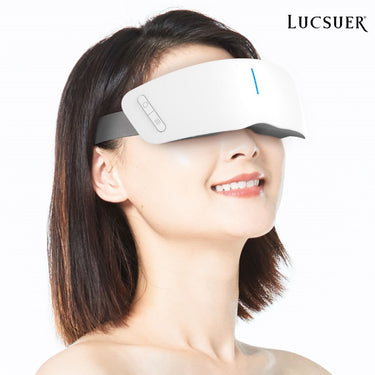
Red and near-infrared light penetrate the skin to stimulate collagen production and support cell repair. A typical at-home mask combines 630nm red light for the upper layers and 850nm near-infrared for deeper penetration. The 480 LED chips on a full-face mask spread this light evenly across the forehead, cheeks, jawline, and chin, so no single area gets overexposed.
High frequency works on the surface
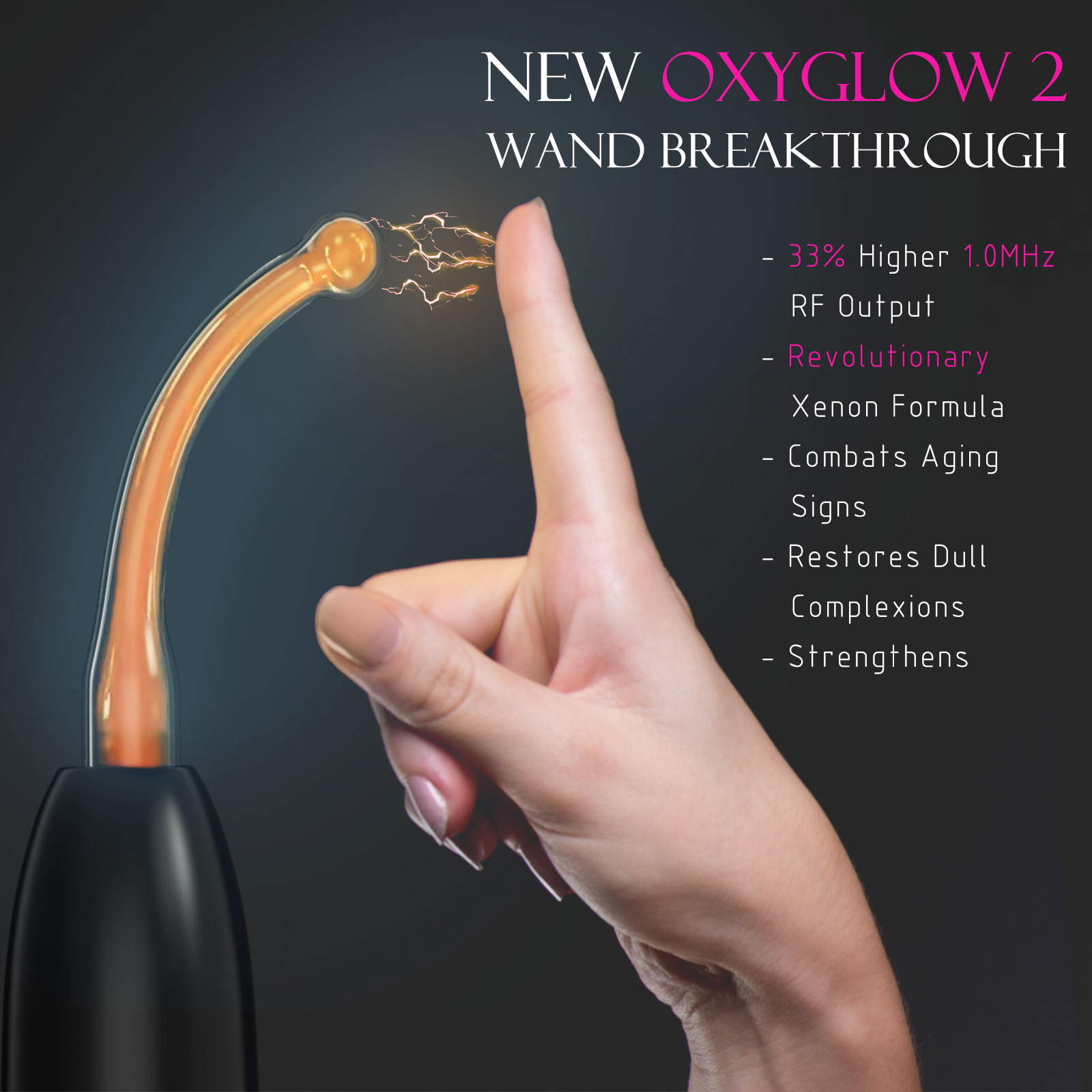
A high frequency wand generates a gentle electrical current through a glass electrode. When the electrode touches the skin, it produces ozone at the contact point. That ozone has an antibacterial effect, which is why high frequency is commonly used to calm active breakouts and reduce redness. The current also boosts local circulation, helping the skin look brighter immediately after a session.
The key distinction: red light builds long-term changes, high frequency handles short-term issues. One is maintenance, the other is intervention.
How to Layer Them in a Single Routine
The order matters more than most people think. The general rule is to work from treatment to recovery.

Evening routine for anti-aging focus
- Cleanse and pat the skin dry
- Use the high frequency wand over any active breakout or congested area for 2–3 minutes
- Follow with a thin layer of your usual serum or moisturizer
- Put on the red light mask for 10–15 minutes on the red or near-infrared mode
- Finish with moisturizer if your skin still feels tight
The wand clears the surface first, then the mask drives the repair process while your skin is clean and receptive.
Acne recovery routine
- Cleanse and dry the skin
- Spot-treat active blemishes with the high frequency wand for 1–2 minutes per area
- Apply a non-comedogenic moisturizer
- Use the mask on blue or combination mode for 10 minutes
- Skip any harsh actives the same night
Blue light targets acne-causing bacteria on the surface, while the wand's ozone helps reduce the inflammation that makes breakouts look angry. Together they attack a breakout from two angles.
Weekly maintenance routine
- Cleanse and exfoliate gently
- Use the high frequency wand across the whole face for 3–5 minutes with light, circular motions
- Apply a hydrating mask or serum
- End with 15 minutes of red light for a collagen and recovery boost
This is the routine for people who do not have a specific breakout to fix but want to keep skin firm and even over time.
Why This Combination Works for Home Use
The two devices do not overlap, which is exactly what makes them compatible.
They target different skin layers
Red light reaches the dermis where collagen is produced. High frequency stays at the surface where oil, bacteria, and inflammation live. Because they work at different depths, using them back to back does not overwork the skin the way layering two acids would.
They are both cordless and low-commitment
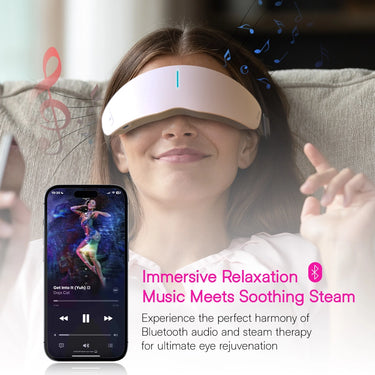
A red light mask with a 2500mAh rechargeable battery and a USB-C high frequency wand both free you from a wall outlet. You can do the whole routine sitting on the couch, which is the practical reason people actually stick with it. Consistency beats intensity, and a routine you can do anywhere is a routine you will repeat.
One brand covers both steps
Buying a mask from one brand and a wand from another usually means two charging cables, two different intensity scales, and two sets of instructions. A brand that makes both — like Lucsuer, whose OxyGlow 2 high frequency wand and wireless red light therapy mask are designed around the same cordless, home-use philosophy — removes that friction. The wand runs on a xenon gas electrode for pure blue light and offers 16 intensity levels, while the mask layers 630nm and 850nm wavelengths across 9 light modes, so the two devices share a consistent approach to intensity and comfort.

Who Should Not Combine Them
This pairing is not for every skin type.
- Very sensitive or reactive skin should start with only one device and wait a few weeks before adding the second. Introducing two electrical-light treatments at once can trigger irritation if your barrier is already compromised.
- People with active rosacea or broken skin should avoid the wand's ozone contact on inflamed areas and consult a professional before using light therapy.
- Anyone who will not commit to a schedule is better off with one device used regularly than two used sporadically.
The goal is a routine you can sustain, not a lineup of devices that gather dust.
Frequently Asked Questions
Can I use a red light mask and high frequency wand on the same day?
Yes. The recommended order is high frequency first to clear and calm the surface, then red light to support repair. Keep each session within its suggested time and avoid using both at maximum intensity on the same night.
How often should I do the combined routine?
2–3 times per week is a solid maintenance cadence. During an active breakout, spot-treating with the wand daily and using the mask on blue or combination mode 3–4 times a week can help, but always let your skin recover between sessions.
Do I need to use skincare products between the two steps?
A light serum or moisturizer between the wand and the mask helps lock in moisture and gives the red light a hydrated base to work on. Avoid harsh actives like strong retinoids or acids on combined-treatment nights.
Which light color should I use on the mask?
Red or near-infrared for anti-aging and collagen support, blue for acne and oil control, green for brightening, and yellow for redness relief. The Lucsuer mask's 9 modes cover these wavelengths so you can match the setting to your main concern that week.
Better skin is not about owning more devices. It is about using the right two in the right order, so each one does the job the other cannot.